MERIT: Unraveling the Role of Host Metabolism in Viral Infections
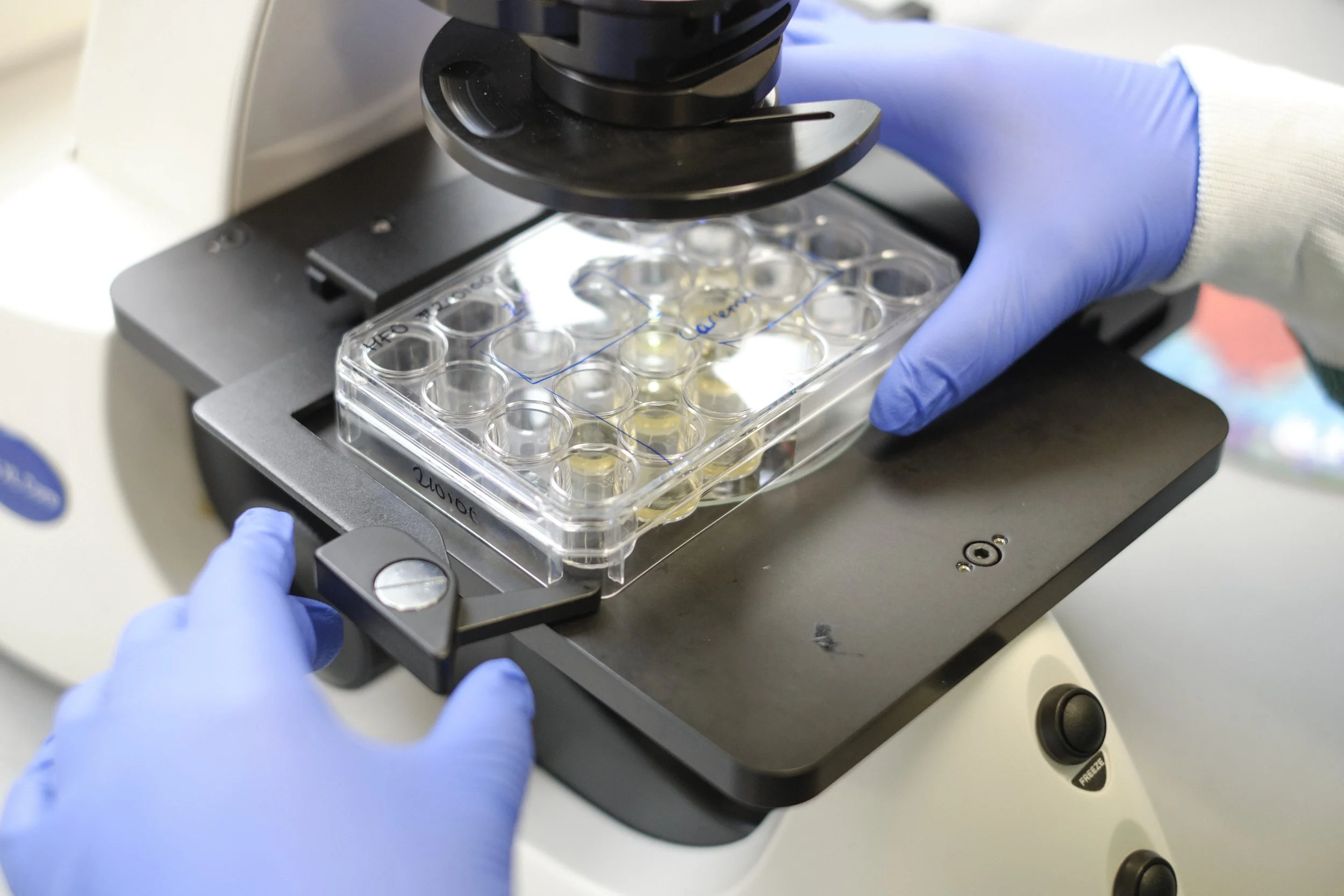
OrganoVIR Labs will be coordinating MERIT (MEtabolic Reprogramming in viral pathogenesis: from Infection to Therapeutic innovations), an EU-funded MSCA training programme aimed at better understanding how viruses affect the human body. Coordinated by Dr. Adithya Sridhar, Assistant Professor, and Prof. Dr. Dasja Pajkrt, Pediatric Infectious Disease Specialist and co-head of OrganoVIR Labs, this project brings together 7 academic institutions and 12 associated partners from across Europe.
Viruses, even the most complex ones, cannot replicate on their own. Once it enters a host, it relies on and alters the cellular pathways of its host to create an environment where it can replicate. This process, known as metabolic reprogramming, can have major consequences for health. A striking example includes COVID-19 infection, where the host’s metabolism is significantly altered.
Despite the importance of metabolic reprogramming in viral pathogenesis, its impact is understudied.
A New Way to Study Viruses
The MERIT project will take a new, more holistic approach that focuses on infections and host metabolism to unravel virus-induced metabolic reprogramming and its impact on host health. The project’s objective lies in understanding the complex interplay between viruses and host cells, focusing on metabolic reprogramming and the long-term consequences of infection. This will be achieved by combining three methodological pillars: human organoids, integrative and spatial omics, and advanced microscopy.
“By incorporating these techniques, the consortium will not only advance fundamental virology research but also contribute to the development of novel therapeutic strategies that address both immediate and long-term impacts of infections.” said Dr. Adithya Sridhar.
Training the Next Generation
MERIT will be training the next generation of researchers, preparing them to address these challenges beyond the project’s lifetime. By utilizing cutting-edge technologies to understand virus infections and its impact on host metabolism, we will unravel virus-induced metabolic reprogramming and its consequences for host-health.
A European Collaboration
MERIT brings together a diverse network of leading academic and industry partners across Europe. In addition to Amsterdam UMC, the consortium includes institutions such as Karolinska Institute, University of Oslo, Jagiellonian University, Leiden University Medical Center, Medical University Innsbruck, Justus Liebig University Giessen.
The collaboration is further strengthened by associated partners, including VectorY, Stichting Saxion, STEMCELL Technologies, BEonChip, Isogen Life Science, Chip NanoImaging, International Centre for Genetic Engineering & Biotechnology, Arctic University of Norway, Stichting Proefdiervrij, The Parfum Agency (Sylvalia), Stiftelsen for industriell og teknisk forskning, and University of Amsterdam.
As a team, MERIT will drive innovation and mold the future of infectious disease research.